If you’ve never heard the term before, think of cloud gaming as Netflix for video games. Instead of buying a console or a high‑end PC, the game runs on a remote server and streams to your device over the internet, much like a video. The only hardware you really need is a screen, a controller or keyboard, and a stable connection.
In the UK, the average broadband speed in 2023 was 71 Mbps, which is enough for 1080p streams but leaves little headroom for the low latency that fast‑paced shooters demand. That’s where 5G enters the picture: with advertised peak download speeds of up to 1 Gbps and latency often under 20 ms, it can deliver a smoother, more responsive experience even on a mobile phone.
How 5G is reshaping the UK gaming landscape
Since the first commercial 5G rollout in 2020, the number of 5G‑enabled smartphones sold in the UK has risen from roughly 1 million to over 12 million in 2024. This rapid adoption has two immediate effects on cloud gaming.
- Wider device compatibility. Games that previously required a PlayStation or Xbox can now be played on a mid‑range Android phone without any additional accessories.
- Reduced reliance on home broadband. A commuter on a train between London and Manchester can start a match in “Fortnite” and finish it before reaching the next station, because the 5G link remains stable throughout the journey.
Data from a recent UK telecom report shows that average 5G latency in urban areas dropped from 35 ms in early 2022 to 18 ms by mid‑2024. For a first‑person shooter, that 17 ms improvement translates into roughly a 10 % increase in hit‑rate for players with otherwise equal skill.
Practical benefits you can feel today
Here are three concrete ways the 5G‑cloud combo is already changing how people play.
- Instant game launches. Instead of waiting 30–45 seconds for a console to load a title, a 5G stream can start within 3–5 seconds, because the heavy lifting happens on the server.
- Portable multiplayer sessions. Friends can gather in a park, each with a cheap tablet, and join a co‑op campaign without setting up a local network. The 5G signal ensures everyone stays within 30 ms of each other.
- Lower entry cost. A monthly 5G data plan of £30 plus a £10 subscription to a cloud gaming service is still cheaper than the £300 price tag of a new console, especially when you factor in the cost of games.
While the technology is promising, it isn’t flawless. Rural areas still suffer from patchy 5G coverage, meaning players there may experience buffering or be forced back to traditional consoles. Additionally, data caps on some mobile plans can make marathon sessions expensive; a two‑hour 1080p stream can consume around 5 GB of data.
Where entertainment meets cloud gaming
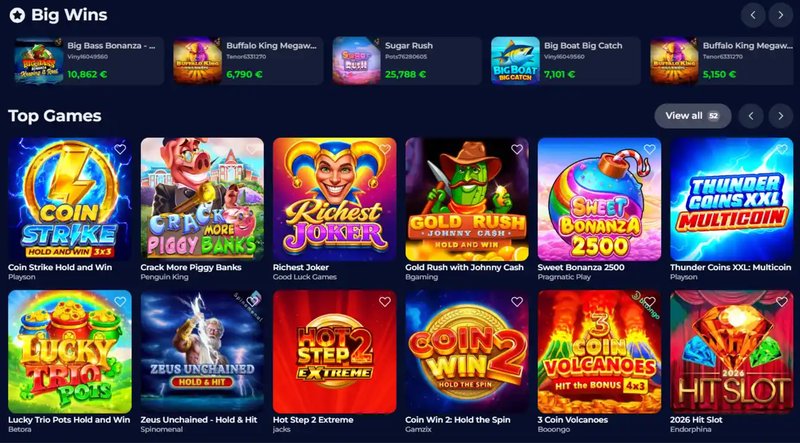
Beyond pure gaming, the same streaming infrastructure powers other forms of interactive entertainment. For example, the platform ninewin blends live‑streamed tournaments with social betting, showing how quickly the boundaries between gaming, streaming and online leisure are blurring.
What to watch for in the next 12 months
The UK government has pledged £150 million to expand 5G coverage in underserved regions, aiming for at least 80 % of the population to have reliable access by 2025. At the same time, major cloud providers are rolling out dedicated gaming servers in London and Manchester, cutting the distance between player and server to under 10 ms in many cases.
Expect to see more titles offering “cloud‑first” modes, where the game is optimised for streaming rather than local hardware. Developers are already experimenting with adaptive bitrate algorithms that lower resolution only when the connection dips, keeping the experience playable rather than dropping out entirely.
Bottom line for the cautious gamer
If you’re comfortable with a modest data allowance and live in an area with solid 5G, trying cloud gaming now can save you money and free you from the need for a dedicated console. Keep an eye on your provider’s coverage map and test a free trial before committing to a subscription. For those in rural zones, the technology remains a nice supplement but not yet a full replacement for traditional hardware.